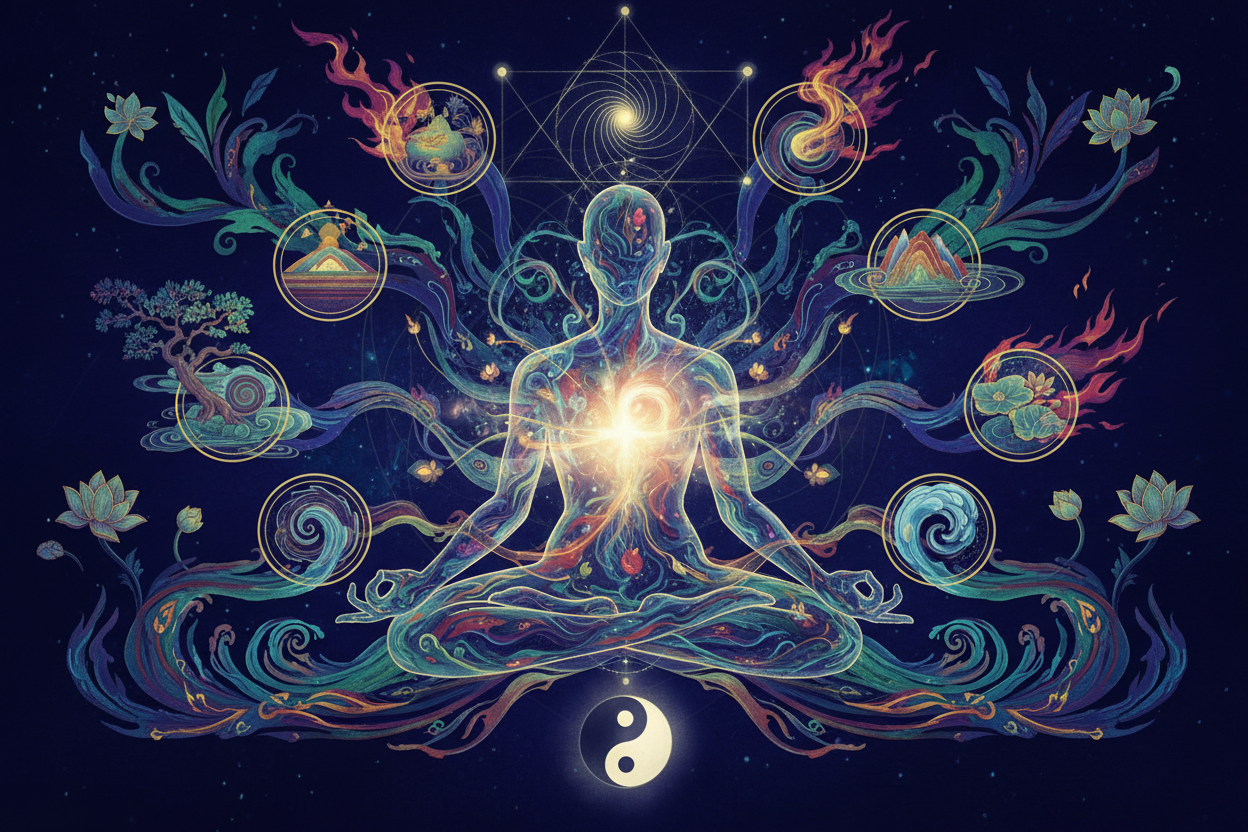
Understanding Psychedelic Substances and the Soul in the View of Chinese Medicine
In the meeting place of modern psychopharmacology and classical Chinese thought, certain psychedelic and dissociative substances reveal themselves ...
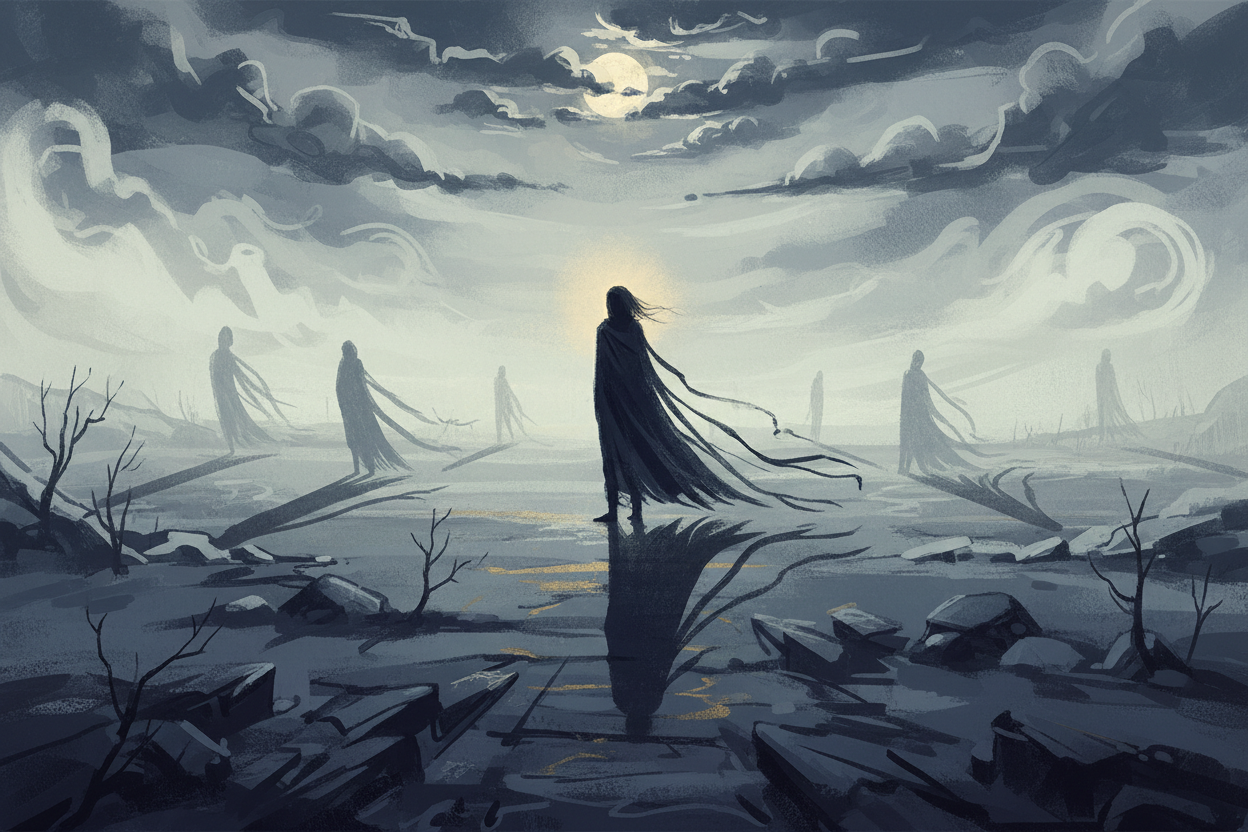
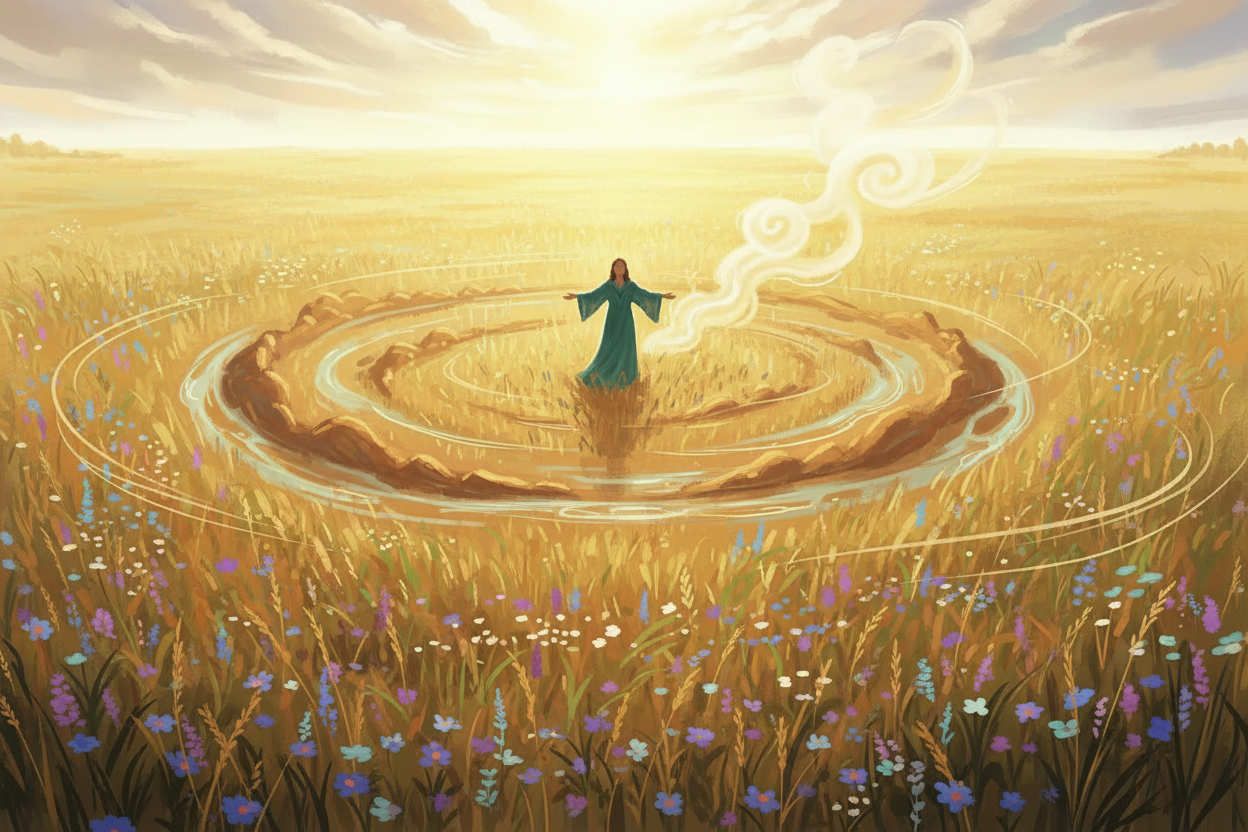
Both the radiant and the desolate passages ultimately contribute to greater wholeness. The former discloses the foundational character of open, affectionate possibility; the latter indicates areas still requiring compassionate attention. The psychopomp’s art, especially as expressed in Daoist practice, consists of holding space for each without preference, so that neither can eclipse the recognition of an underlying continuity—the unchanging ground that precedes and encompasses every movement of light and dark.
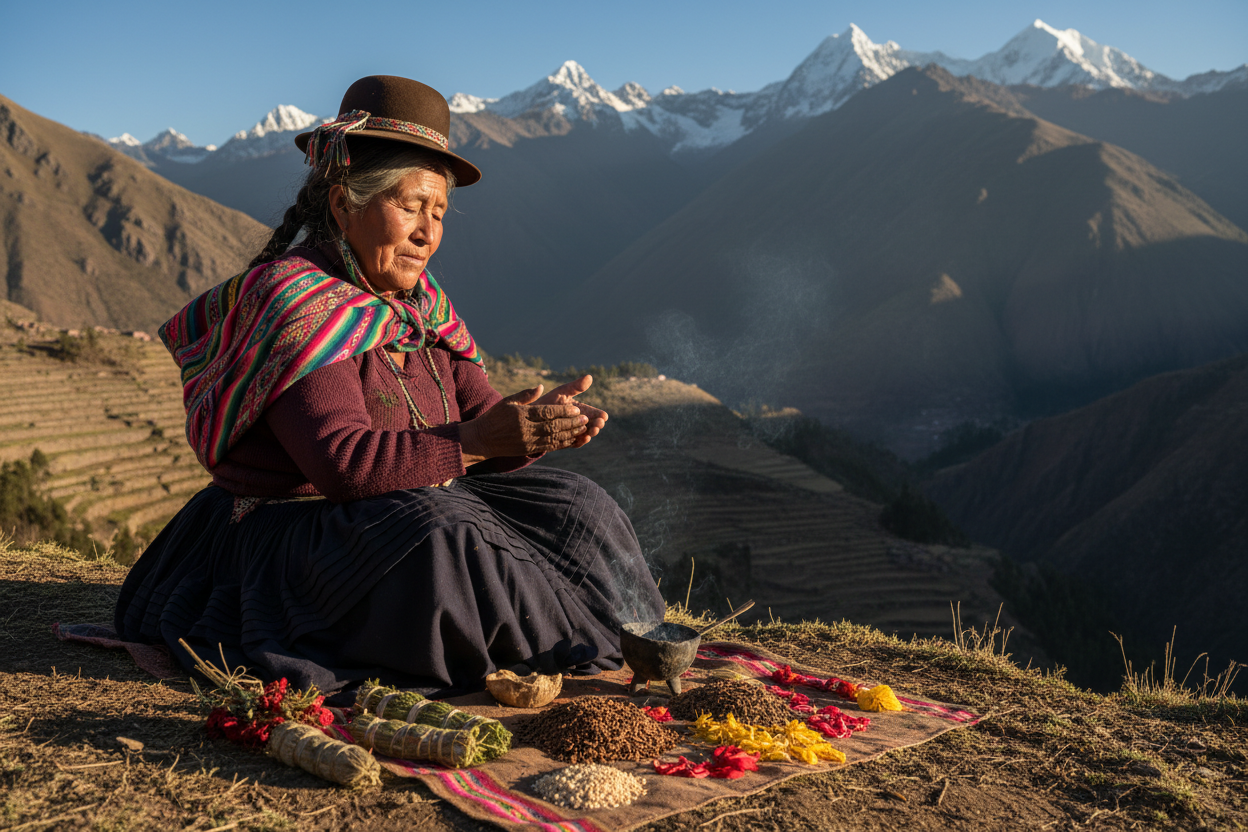
So many of us move through the world the way we do in the West—treating everything as separate and measurable. Nature becomes a collection of resources or scenery. Our inner lives turn into lists of tasks and self-improvements to manage. That whole way of relating starts to loosen when we learn from the keepers of high-mountain knowledge that has been passed down for centuries.
This is where shadow work begins—not as another project of self-improvement, but as an act of quiet honesty. To look inward is to admit there are parts of myself I have not wanted to see: wounds I have organized my whole life around, old fears I mistook for truth, losses I never fully grieved, and versions of myself I rejected because they felt inconvenient, shameful, or too painful. These hidden parts do not disappear simply because I ignore them. The work is only to bring light to what has been buried—not to punish it, not to dramatize it, but simply to meet it.
I will be straightforward in sharing that Esther Hicks is someone who has never sat right with me in my heart. She has come up many times within the spiritualist and healing communities I move through. It is not that I believe she shares no wisdom of merit—far from it. In terms of positivity and manifestation, much of what she offers is spot on in my own experience. Yet with her, something has always felt off as well.
Ceremony, at its core, is no spectacle polished for the eye of strangers. It is not theater staged to dazzle or impress. Rather, it is a human and more-than-human act of remembering—a deliberate turning toward interrelationship. When we step into ceremonial space, we do not merely observe an event; we enter into intimacy with people, place, and the spirits that dwell within and beyond the visible.